
Are you curious to know How Long Can a Sandwich Last in the Fridge? ? Well, most sandwiches stay safe and fresh in the fridge for 3 to 5 days, especially when you store them properly in an airtight container. Sandwiches that contain meats and cheeses stay fresh for a long time; however, sandwiches that contain wet items like tuna salad, egg salad, or sliced tomatoes can only last for 1 or 2 days. To keep sandwiches safe, you need to place them in a refrigerator at a temperature of 40°F (4°C).
Do you ever wonder when you find a sandwich in the fridge if it is still safe to eat? You may look at it from inside and think that it is completely fine to eat but also have a question in mind: how long can a sandwich last in the fridge? The main reason is that eating a sandwich is not only a matter of taste, but it also comes with the risk of foodborne illness. The sandwich in the freezer may taste fine for a few days; however, the growth of harmful bacteria can take place before any change in smell, texture, and appearance.
Many people make common mistakes while storing the sandwich in the fridge; for example, they leave the sandwich uncovered or store the sandwich near raw food, or sometimes they refrigerate it for so long that it reduces its safe shelf life. The main ingredients in a sandwich, like bread and filling, can also get affected and spoil quickly, especially when the filling contains deli meats, cheeses, egg, or tuna salad.
In this article I will provide you a complete timeline for how long a sandwich is good for in the fridge, help you to understand when it is safe to eat, and show you what practical storage hacks you can use. So whether you’re preparing a sandwich to keep it for days because of a busy schedule or you just found a leftover sandwich in the fridge, I will provide you filling-specific guidance, techniques, and tips on how you can keep sandwiches both fresh and safe for as long as possible, so by the end of the article you will get the answer.

How Long Can a Sandwich Last in the Fridge?
When we talk about storing sandwiches, the first thing that comes to our mind is: how long can a sandwich last in the fridge? Well, the answer isn’t one-size-fits-all; however, it depends on the type of sandwich, the ingredients used in it, and how it is stored. Understanding about the freshness and safety when it comes to sandwiches is very important to stay safe from any kind of health issues.
A refrigerated sandwich may still taste good after a few days, but it may contain harmful bacteria like Listeria, Salmonella, or E. coli, especially if the sandwich is based on protein- or moisture-rich fillings.
General Shelf Life Guidelines
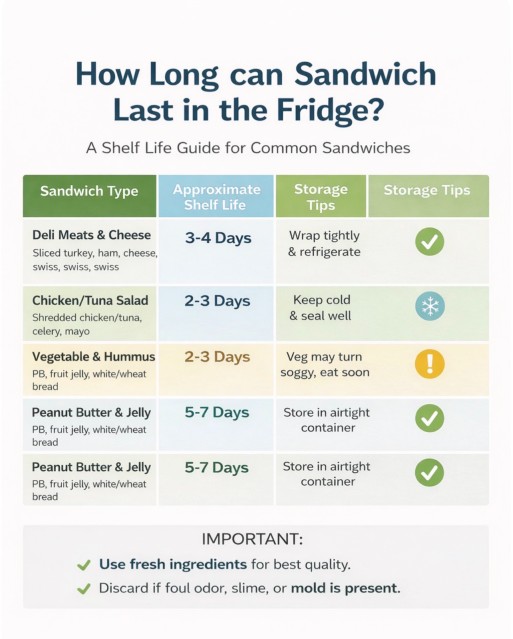
Here’s a simple guide for typical sandwiches stored in a refrigerator at 40°F (4°C) or below:
Non-perishable sandwiches
Sandwiches that are based on peanut butter, honey, or nut spreads can last for 4 to 7 days because the low moisture and protein increase the growth of bacteria. After some days the bread may get a little stale; however, the sandwich is safe to eat in many cases.
Deli meat & cheese sandwiches
Sandwiches that are based on protein-rich fillings like turkey, ham, or roast beef can only last for 3 to 5 days because meat items in the sandwich can
Increase the risk of spoilage; however, you can refrigerate the sandwich in an airtight container. It can reduce the risk of bacterial growth.
Egg, tuna, or chicken salad sandwiches (mayo-based)
Sandwiches that are based on mayo, egg, tuna, or chicken can last for 1 to 2 days only because, due to the high amount of mayo used, they can create an ideal environment for bacteria. Mayo-based sandwiches spoil faster as compared to all other sandwiches.
Vegetable & cheese sandwiches (no mayo): 2–4 days
Sandwiches that are based on vegetables & cheese but contain no mayo can last for 2 to 4 days because moist veggies can make the sandwich bread soggy in the refrigerator; however, bacteria can occur after 3 to 4 days.
According to USDA FSIS, the best time to refrigerate a sandwich is within 2 hours of preparation or 1 hour if the temperature is above 90°F / 32°C. This keeps them safe from bacteria.
Freshness vs. Safety
The most important thing is to understand the difference between a sandwich that is fresh and a sandwich that is safe to eat.
The main ingredient of a sandwich, like bread, becomes dry, veggies get wet, and flavors might lose their punch. This may change the taste and texture of the sandwich, but still the sandwich is safe to eat.
Sometimes a sandwich looks fine in texture, and the smell is ok too; however, after some days, bacteria may have grown to dangerous levels. In many cases eating a sandwich after many days can lead to foodborne illness.
By keeping all these elements in mind, you will know how long a sandwich can last in the fridge without any health risk.
Factors That Affect Sandwich Shelf Life
There are several factors that influence how easily and quickly a sandwich loses its freshness and becomes unsafe to consume. The ingredients used in the sandwich or at what time you refrigerate each plays an important role when it comes to the shelf life and safety of the sandwich.
Ingredients & Filling Type
One of the important factors affecting a sandwich’s shelf life is what ingredients and fillings are used in it. Some ingredients contain moisture, protein levels, and perishability; all these elements lead to bacterial growth.
- A sandwich that includes a filling of cooked chicken, deli meats, eggs, and tuna can spoil faster because of bacterial presence in the meat.
- A sandwich that includes heavy moisture ingredients like tomatoes, cucumbers, lettuce, and sauces can make the bread soggy and lead to bad texture.
- A sandwich that contains mayo-based fillings like egg salad, tuna salad, or chicken salad is safe to eat for just 1 to 2 days because it can increase the risk of bacteria.
- According to USDA and FDA food-safety guidance, prepared food items like sandwiches that contain meat, dairy, or eggs should generally be consumed within 3 to 4 days when properly refrigerated.
Bread Type Matters More Than You Think
Bread usually doesn’t have any major health risk, but it plays an important role in sandwich freshness and texture, which indicates whether the sandwich is good to consume or not.
- Soft white bread usually absorbs more moisture as compared to other breads, so it becomes soggy and loses quality faster.
- Whole grain and multigrain bread are denser and absorb moisture slowly; however, they can also dry out if not wrapped properly.
- Sourdough bread tends to resist mold longer. As compared to all other breads, its natural acidity is better for refrigerated sandwiches prepared ahead of time.
- When a slice of sandwich bread goes stale, it is not unsafe to consume; however, if the bread contains moisture, it can lead to mold growth, so it is better to discard it instead of eating it
Storage Conditions in the Fridge
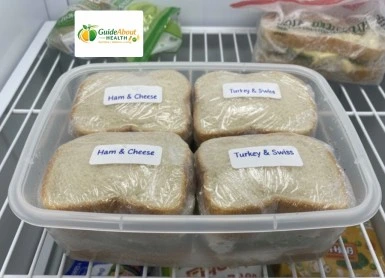
When you store a sandwich in an airtight container or in tight wrapping like plastic wrap, foil, or reusable containers. It stays fresh and safe from both moisture and bacteria.
- Fridge temperature should be kept at or below 40°F (4°C), as recommended by the USDA and FSIS, because temperatures above this allow bacteria to multiply more rapidly.
- Always place the sandwich on the coldest shelf of the fridge instead of putting it in the door to maintain a consistent temperature.
- If the sandwich is kept in the fridge for longer than days, consider removing tomatoes or cucumbers from it before eating, as these veggies may contain bacteria.
Time Before Refrigeration: The “Danger Zone” Rule
People never pay any attention to the time before refrigeration of a sandwich, which is an important factor.
According to food safety agencies like the USDA and FDA, they warn about the “danger zone,” which ranges from 40°F to 140°F (4°C–60°C). In this range the bacteria can increase in the sandwich. You should refrigerate the sandwiches within 2 hours of preparation. If your refrigerator temperature is above 90°F (32°C), then you can refrigerate the sandwich just after 1 hour. If you leave a sandwich in the kitchen for hours before refrigerating it, then the shelf life of the sandwich can get shorter, and maybe it will start smelling in the fridge.
Cross-Contamination Risks
A freshly made sandwich can also spoil faster if it gets in interaction with harmful bacteria during preparation or storage. Like, when you store a sandwich near any raw meat, poultry, or seafood, it can increase the bacteria risk.
If you used unwashed cutting boards, knives, or hands, there is a chance bacteria can transfer easily in sandwiches.
If you try to make a sandwich multiple times, it can also lead to the risk of bacterial growth.
The USDA and FSIS emphasize that hygiene and separation of foods are important to reduce the risk of foodborne illness, especially when you are storing a ready-to-eat food item like a sandwich.
Common Signs a Sandwich Has Gone Bad
Even if you are following a proper storage guideline for sandwiches, they still won’t last forever, so it is important to understand the warning signs when spoilage occurs, especially when the appearance of the sandwich looks fine, but it doesn’t mean it is safe to consume. Following are some indicators you need to look for when a sandwich goes bad.
Mold growth
If you look at the bread corners or near the filling, the existence of green, white, black, or fuzzy spots means the mold is taking place, so throw the sandwich away as soon as possible. Don’t try to remove mold, as it has already spread inside the whole sandwich.
If you notice any discoloration in meats, cheeses, or vegetables, like they turn gray, green, or have darkened patches, it means the sandwich has gone bad.
If the sandwich bread becomes extra soggy or watery, then it means the moisture and bacterial growth take place.
Smell: Sour or “Off” Odor
If you notice a sour, sulfur-like, or rotten smell coming from sandwich meats, egg salad, tuna, or mayo-based fillings, it means the sandwich is not safe to consume because a fresh sandwich smells neutral or based on ingredients, not sharp or unpleasant.
However, don’t just rely on smell because sometimes the sandwich won’t smell, but it will still contain dangerous bacteria.
Texture: Slimy or Mushy Fillings
Another thing you need to look at is the texture changes in the sandwich, especially protein-based fillings. If the meat gets slimy or sticky, then it means bacteria are taking place. If it’s egg, chicken, or tuna salad that feels separated, watery, or overly mushy, then it’s better to throw the sandwich away, as it is definitely not safe to eat. If the cheese in the sandwich becomes excessively greasy or develops an unusual surface, it means the sandwich is completely unsafe.
Critical Safety Tip: Bacteria Aren’t Always Visible
This is where many people get it wrong. According to the Mayo Clinic, harmful bacteria such as Listeria monocytogenes can grow at refrigerator temperatures, and the sandwich doesn’t show any visible mold, odor, or texture changes. That means the sandwich looks fine, smells normal, and tastes fine yet is still unsafe to use. In order to stay safe from such situations, always look at the time-based guidelines for how long a sandwich can last in the fridge based on different ingredients and fillings.
When in Doubt, Throw It Out
It is better to throw the sandwich away if you don’t remember when you made it, if it has been in the fridge for more than a week, or if it was left out of the refrigerator for a long time.
The best thing you can do is avoid eating it to be safe from foodborne illness, especially if you are a child, pregnant woman, older adult, or have a weak digestive system.
How to Store Sandwiches Safely
Following a few simple storage rules can help maintain freshness, slow bacterial growth, and reduce food-safety risks.
Fridge Tips: Temperature and Placement
The most important rule is to focus on keeping the sandwich at the correct and recommended temperature provided by food safety authorities like the USDA and FSIS. The best temperature to keep a sandwich in the freezer is 40°F (4°C) or lower because at high temperatures the growth of bacteria can increase.
Another thing to consider is to make sure to store sandwiches in the middle of the back shelves instead of on the fridge door, as frequent opening exposes food to warm air, and fluctuating temperatures can reduce shelf life.
How you wrap a sandwich matters a lot because it can affect moisture control and the growth of bacteria. Always use plastic wraps, aluminum foil, or airtight containers, as all this wrapping material makes a tight seal, works best for thicker sandwiches, and is ideal for meal-prepped sandwiches and helps prevent bacteria growth. Avoid loosely wrapping or freezing the sandwich without any cover.
Labeling and Tracking Time
The best thing you can do is add a label to each sandwich wrap with the date it was prepared or stored. This makes it easy for you to check later if you forget the timing, as most people do because of busy schedules.
Separate Moisture-Rich Ingredients
To keep a sandwich safe to consume for a long time, try to save other ingredients like tomatoes, cucumbers, lettuce, or sauces in separate containers and add them before eating; only this way can the sandwich be safe from moisture.
Avoid Cross-Contamination
Avoid placing sandwiches near raw meat, poultry, seafood, and eggs. Always make sandwiches with proper hygiene by washing your hands, knives, and other utensils to prevent harmful bacteria from transferring.

Can You Freeze Sandwiches?
Freezing is also a great option if you want to store sandwiches for longer than a fridge allows. While refrigerating answers about how long a sandwich can last in the fridge, freezing can extend the shelf life of a sandwich from days to several weeks only when the sandwich is made with proper ingredients and frozen correctly. Additionally, not all the sandwiches can handle freezing, so choosing proper ingredients for the sandwich is important.
Sandwiches That Freeze Well
Some sandwiches stay fresh and good in taste as well as in texture after freezing. Sandwiches that contain turkey, chicken, roast beef, ham, peanut butter, jam, grilled chicken, sliced cheese, and cured meat fillings don’t get watery when you take the sandwich out from freezing to normal temperature.
Sandwiches That Don’t Freeze Well
Sandwiches that contain certain ingredients don’t work best when frozen. Sandwiches that are based on mayo, egg, tuna, or chicken salad. All these ingredients get separated after thawing. Sandwiches that include ingredients like lettuce, tomatoes, cucumbers, and onions become limp and watery after coming back to room temperature from freezing. Sandwiches that contain high-moisture sauces also don’t work best in the freezer because the sauces get mixed in the bread and create sogginess in it.
Most freezer-friendly sandwiches can last up to 1 to 2 months without major quality loss.
How to Thaw Frozen Sandwiches Safely
- After taking sandwiches out of the freezing area, try to keep them in the refrigerator overnight for the best texture and safety.
- If the sandwich includes fillings like meat and cheese, then reheat it to improve texture and flavor.
- Avoid keeping the freezer sandwiches suddenly at room temperature because it can increase bacterial risk.
Meal-Prep and Lunchbox Tips
Many people prepare sandwiches because they are easy to make in less time, budget-friendly, and ideal for busy mornings; however, the preparation of sandwiches only becomes helpful if you store them properly.
The timing of storing a sandwich in the fridge is important, especially when you are giving it to kids for school or even when you are going to eat it at work, where food stays outside for hours before being eaten.

Best Sandwiches for Prepping Ahead
Not all sandwiches are meal-prep friendly. The best options only include low moisture and ingredients like deli meat, cheese, peanut butter, and grilled or baked chicken with firm cheese and veggies. The sandwiches based on these fillings last for 2 to 4 days easily in the fridge only if you store them properly. Avoid fillings that include mayo and heavy sauces, as they can stay fresh just for 24 hours.
Packing Sandwiches for School or Work
If you are packing sandwiches for lunchboxes, then the first thing you need to do is add a fully chilled sandwich from the fridge in the box instead of a freshly made warm one.
Use insulated lunch bags with an ice pack because mostly sandwiches won’t be eaten within 2 hours.
Keep sandwiches separate from other hot food items to avoid temperature changes or interaction.
For kids’ lunches, make a fresh sandwich by just adding a chicken spread or mayonnaise between bread, as it will reduce the risk of foodborne illness because of the simple ingredients.
Storage Hacks to Avoid Soggy Bread
Soggy bread is one of the biggest meal-prep complaints; however, you can avoid it too by just placing a small spread of butter between the bread and other ingredients.
To avoid bread sogginess, try to store wet ingredients like tomatoes, cucumbers, and sauces in separate wraps and just add them before eating.
Wrap sandwiches tightly in plastic wrap or use airtight containers to control humidity.
Portioning for Diet or Nutrition Plans
If you are making sandwiches for weight loss or a balanced diet, then always use whole-grain bread for fiber and better satiety. Add a good amount of protein in sandwiches, but don’t overfill them. To make the sandwich balanced, add fruit or yogurt as a side instead of filling sandwiches with mayo or other heavy sandwiches. This way you can make a calorie-free and nutritious sandwich.
Also Read: How many apricot seeds should I eat a day? Safety & Limits
Frequently Ask Questions by People
1. Can I eat a 4-day-old sandwich?
Well, it completely depends on the ingredients you used in the sandwich and how it was stored. A sandwich that is made from fresh ingredients and kept in the refrigerator at below 40°F (4°C) can last for 3 to 4 days; however, if it contains deli meat, mayo, eggs, or seafood, then it is best to check it first before eating.
2. Can I eat a sandwich after 7 hours?
If the sandwich was stored at room temperature, then it is not safe to eat after 2 hours or even after 1 hour. After 7 hours it will contain bacteria, so avoid eating it.
3. Is deli meat ok to eat after 5 days?
If the deli meat was opened before then, it can last from 3 to 5 days in the refrigerator only if stored properly. However, if the meat smells sour or looks slimy and changes color, then it is best to discard it.
4. Can I eat a leftover sandwich?
Yes, you can eat a leftover sandwich only if it was kept in the refrigerator properly. You can eat the leftover sandwich within 3 days, but it is important to check for signs of spoilage before eating.
5. Do sandwiches go bad in the fridge?
Yes, a sandwich can go bad even in the fridge because refrigeration can slow down bacteria growth, but it can’t stop or finish it. Most sandwiches last for 1 to 4 days based on ingredients, storage, and moisture.
6. How to keep a sandwich fresh?
You can keep a sandwich fresh by storing it properly in a container or wrapping it tightly at a temperature of 40°F (4°C) or below. Keep wet ingredients in a separate box and add them to the sandwich before eating. Use parchment paper before plastic wrap to reduce sogginess.
7. Can I pack a sandwich for lunch?
Yes, you can pack a sandwich for lunch by using an insulated lunch bag with an ice pack if it contains wet ingredients. This will help the sandwich to stay safe for hours.
8. Is it safe to reheat a sandwich?
Yes, some sandwiches can be safe when reheated only if they contain fully cooked ingredients. You can heat the sandwich at a steaming hot temperature (165°F / 74°C). Avoid heating sandwiches that contain ingredients like mayo, lettuce, or cold deli fillings.
9. What sandwich doesn’t need refrigerating?
Sandwiches that contain dry, shelf-stable ingredients like peanut butter, jam, honey, or hard cheeses can last at room temperature and be completely safe to eat for several hours.
10. Can I pre-make a sandwich a week before?
No, because most sandwiches are safe to eat within 1 to 3 days. For meal prep, try to store wet ingredients in a separate box and only add them to the sandwich before eating.
11. Do sandwiches stay fresh in the fridge overnight?
Yes. Most sandwiches are safe and fresh overnight when wrapped tightly and refrigerated.
12. How long can I leave a sandwich outside?
You can leave a sandwich outside for 2 hours at room temperature. If the temperature is above 90°F (32°C), you can leave it for 1 hour. Exceeding this time limit can make a sandwich unsafe.
13. How long will a prepared sandwich stay good in the fridge?
A prepared sandwich stays good in the fridge for 1 to 4 days based on ingredients and how you store it. However, it is always good to check smell, texture, and appearance before eating.
14. How long can a peanut butter sandwich last in the fridge?
A peanut butter sandwich can last 5 to 7 days in the fridge when you wrap it properly. The main ingredient, peanut butter, is shelf stable, so storing it in the refrigerator will help preserve sandwich bread freshness rather than safety.
15. How long does a cheese sandwich last in the fridge?
A cheese sandwich can last from 3 to 4 days in the fridge only if made with semi-hard cheese and stored in an airtight container. If you add soft cheese, it may reduce the shelf life of the sandwich to 1 to 2 days.
16. How long does a ham and cheese sandwich last in the fridge?
A ham and cheese sandwich can last for 1 to 3 days when refrigerated because deli meat is highly perishable, and it can spoil faster than other ingredients in a sandwich.
17. How long does a turkey sandwich last in the fridge?
A turkey sandwich usually stays safe for 1 to 2 days in the fridge, as turkey deli meat spoils quickly.
18. How long is a deli sandwich good out of the fridge?
Since deli meat is highly perishable, it should not be kept outside for more than 2 hours at room temperature or 1 hour if the temperature is above 90°F (32°C).
19. How long does a sandwich last in a lunchbox?
Yes, it can last up to 4 to 6 hours in a lunchbox if you add an ice pack in the box. Without an icebox, it can last for 1 to 2 hours.
20. How long does an Italian sandwich last in the fridge?
An Italian sandwich that contains meats, cheese, and veggies can last for 1 to 2 days in the fridge. However, other ingredients in it, like oil, vinegar, and moist vegetables, can make the bread soggy and reduce freshness faster.
Conclusion: How Long Can a Sandwich Last in the Fridge?
In conclusion, how long can a sandwich last in the fridge? Well, in most cases a properly refrigerated sandwich can be safe to eat for 1 to 5 days; however, it also depends on the ingredients and filling you used and how it’s stored. A simple peanut butter sandwich can last for 4 to 5 days in the fridge, whereas mayo-based fillings such as egg, tuna, or chicken salad last for 24 hours. A dry deli meat and cheese-based sandwich can last for 4 to 5 days too. The timing alone doesn’t indicate anything about the sandwich safety; it also depends on when you keep it, how you wrap it, or what ingredients are used because many a sandwich looks fine from the outside, but it still contains harmful bacteria from the inside.
To eat the safest sandwich, you need to refrigerate it properly and on time, store it in airtight containers at 40°F (4°C) or below, keep wet ingredients separate, and also label the wrapper with the preparation date. After doing this, if you still feel the sandwich isn’t safe to eat, then it is best to listen to your intuition and throw it out.
Medical Disclaimer:The information on guideabouthealth.com is for educational and informational purposes only and is not intended as medical advice. Always seek the advice of a qualified healthcare provider regarding any medical condition or dietary changes. Never disregard professional medical advice or delay seeking it because of something you have read on this website.