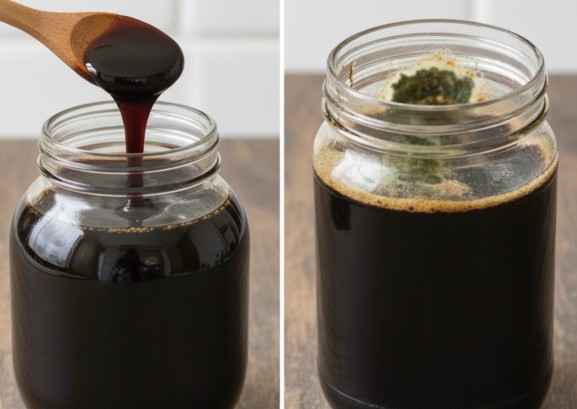
Quick Summary: Does Molasses Go bad? well molasses is naturally resistant to bacteria and can remain safe for up to 10 years when sealed. Once opened, it stays at peak quality for 1 to 2 years if kept in a cool, dark place. However, if you notice a sour smell, gas bubbles, or any fuzzy spots on the surface, it is time to discard the jar.
Molasses is known as a classic pantry staple that people use and keep for many years. Many people use it in baking, cooking, or natural sweetening occasionally. It has a very thick texture and is rich in sweet flavor. However, molasses isn’t a thing that can be spoiled easily, but if a molasses jar stays unopened or half-used for a long time, it can.
If you ever found an old bottle of molasses in the end of the cupboard, you may have a question in mind: can molasses go bad, or is molasses safe to consume? People also search for questions like, “How long does molasses actually last?” Does it spoil like other foods, or does it just lose quality over time? And if the “best by” date has passed, is it a safety issue or just a flavor one?
In this article we will look completely at the topic of whether molasses goes bad and how you can use it every day. You will learn how long molasses can last, the difference between true spoilage and simple change in quality, what the best-by date means on it, and the most common signs of spoiled molasses.
Types of Molasses and How They Affect Shelf Life
The shelf life of molasses may vary based on different varieties, and the way they are processed directly impacts their sugar concentration, moisture level, and stability. Let’s discuss the different types of molasses to understand more.
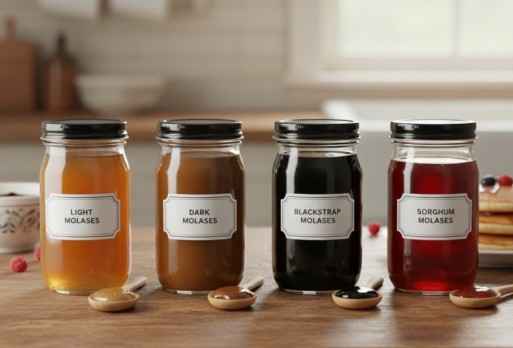
1. Light Molasses (First Boil)
The creation of light molasses occurs by just boiling sugarcane or sugar beet juice. It is highest in sugar among all types, and it is also higher in water content. There are no preservatives added in it. As light molasses is high in sugar and water content, it has a long shelf life, especially when the jar is unopened; however, it can also go bad if stored improperly after opening.
2. Dark Molasses (Second Boil)
This type of molasses production occurs during the second extraction of sugar. It is moderate in sugar content and has lower water content as compared to light molasses. It also includes preservatives in a small amount. Because of the lower water content, it is more shelf stable than other molasses types like light molasses, especially when stored in a cool, airtight container.
3. Blackstrap Molasses (Third Boil)
This type of molasses comes from the final boiling when most of the sugar gets extracted. It is low in sugar and water content and zero in preservatives. You may be shocked to hear this, Blackstrap Molasses. It has a higher shelf life, as it contains everything in low amounts. The structure of it is highly thick consistency, and its mineral-rich profile helps prevent microbial growth.
4. Sulfured vs. Unsulfured Molasses
During processing, some molasses is treated with sulfur dioxide. The sulfured molasses is made from immature sugarcane and contains a preservative called sulfur dioxide, whereas unsulfured molasses is made from mature sugarcane and has zero preservatives. Sulfured molasses stops microbial growth when it is fresh, but unsulfured molasses has better long-term quality, flavor, and stability when stored properly.
We discuss all varieties of molasses to understand when the molasses is higher in sugar content and lower in water content; then the molasses lasts longer because sugar acts as a natural preservative that minimizes the risk of microbial growth, and low moisture prevents fermentation and mold.
Does Molasses Really Go Bad?
Many people have a question in mind: can molasses go bad in the same way fresh foods do? Well, in most cases, no, because every food goes bad differently.
Molasses is completely based on high sugar and low water, so this combination can easily create an environment where bacteria, mold, and other microorganisms find difficulty in surviving. The sugar in molasses binds remaining water and creates moisture for microbes to grow. That is the reason why molasses has a long shelf life, and it can be safe to use for years, especially if you keep it in a tightly sealed container and store it in a cool, dry place.
Many people find old jars and then also use the molasses in them because it looks and smells fine long after the “best by” date. However, molasses can go bad in some conditions, like when moisture or contaminants occur, when people use a wet or dirty spoon, or when they leave the lid loosely closed or place it in a warm, humid environment.
All these activities lead to the risk of mold growth or fermentation. Over time, the constant exposure of molasses to heat and air can lead to changes in its flavor, color, and texture; however, the molasses is still safe to consume. It is important to check the signs of spoilage, and storing it correctly is just as important as understanding how long molasses lasts.
Learn about “Best By” vs. “Expiration Date.”
The biggest reason why people ask if molasses can go bad is because they are confused about the best-by or expiration date on the jar, as most of the molasses jars are labeled with a “best-by” date that doesn’t mean it is an expiration date. It is important to understand the difference between these two dates. A “best by” date is focused on product quality instead of safety. It indicates the timeline when the manufacturer expects the molasses to have good flavor, color, and texture, and after the best-by date, all these things may change, and the structure of the molasses can get darker or thicker. However, these changes will not make molasses unsafe.
On the other hand, the expiration date on the jar indicate there will be a health risk when you consume the product after this date because molasses have a high sugar content and low water activity, which makes the molasses resistant to bacterial growth. Molasses is best to use by its “best by” date when stored properly in a sealed container away from heat and moisture. Molasses is usually fine and safe to consume even if the printed date has passed as long as it is free from spoilage such as mold, off smells, or unusual fermentation.
Typical Shelf Life: What Research & Experts Say
If you stored molasses correctly, it can be the longest-lasting sweetener you can have in your kitchen. However, the shelf life of molasses is still based on conditions like whether the jar is opened, the type of molasses, and the conditions in which it’s stored.
Unopened molasses jars last for around 3 to 5 years or even longer, especially when they are kept in a cool and dry place safe from heat and humidity, because there is no risk of moisture or contaminants entering, which helps in keeping both safety and quality. An opened molasses jar can usually last 1 to 2 years; it may remain safe after this time limit, but only if the molasses is stored in a cool or dry place and is free from spoilage signs.
Shelf Life of Different Molasses Types
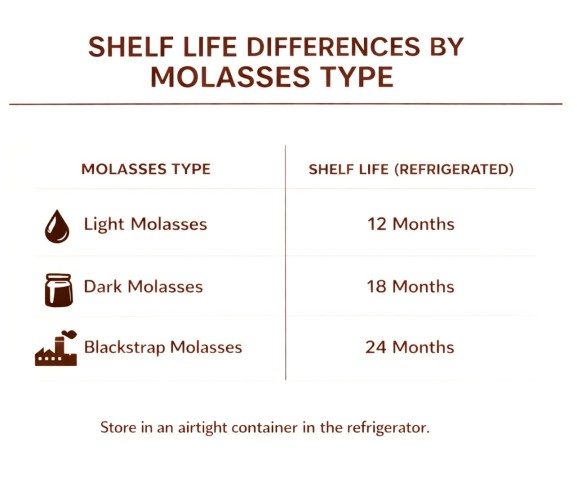
Not all molasses is the same in nature, and its types can affect how long it stays stable over time. For example, if we talk about light and dark types of molasses, they have a long shelf life but may change flavor and color sometime after opening.
If we talk about Blackstrap molasses, it stays stable and can last longer than lighter varieties when stored correctly.
The sulfured molasses includes preservatives like sulfur dioxide, which make the shelf life long. Lastly, unsulfured molasses is stable, but it lacks added preservatives; however, proper storage is important to prevent spoilage.
Effects of Storage Conditions
The shelf life of molasses also depends on how you keep it. If you keep molasses in a cool, dry, and dark environment, it lasts for a long time, and if you place it in a high temperature, it can make the structure change, like it becomes more thick and dark and loses flavor over time. There is also a risk of moisture entering the jar; when you don’t close the jar properly, it will lead to mold or fermentation, so always keep the lid tightly sealed and use clean, dry utensils to prevent contamination.
How Does the Age of Molasses Affect Flavor and Quality?
Molasses is best known for its long shelf life; however, the age of molasses affects its flavor, color, and texture over time, which is quite noticeable. This is the reason why people become curious and think, “How can molasses go bad although there are no signs of spoilage?” If you keep the molasses in place where the jar is opened or wasn’t completely closed, then it can lead to a change in flavor, such as intense or slightly bitter tastes occurring.
The sweetness of molasses also fades with time. People who use it in baking or recipes find the flavors aren’t the same as they were in the first place. The color of molasses also changes because when molasses ages, it becomes further darkened due to oxidation; however, it remains safe to consume. If we talk about the texture, the older molasses becomes thicker and heavier; this can take place because the sugar content changes over time. In some cases if you warm molasses, it can restore it to its old position, where the consistency becomes smooth.
Does Age Affect Nutritional Value?
People used molasses not only for its sweet taste but also because it contains minerals like iron, calcium, potassium, and magnesium. Now you may be thinking the mineral also goes away like other things when molasses gets old? Well, the answer is no; these minerals are relatively stable and don’t degrade quickly with age. The older molasses is safe to consume and has mineral benefits even when the flavor or texture has changed.
However, there are also some antioxidant compounds found in molasses that fade when it gets old, especially when the open jar of molasses gets in interaction with heat, light, or air. The product is still completely safe to use even after a reduction in overall nutritional quality.
Aging can affect the sensory qualities of molasses instead of its safety or basic nutrition. However, there is a change in taste or quality as compared to a fresh bottle, especially if you use it for recipes where flavor matters most.
What are the Signs of Spoiled Molasses?
If you discover an old molasses jar and are uncertain about its safety for consumption, you can look for signs of spoilage to determine whether to keep or discard it.
Visual Signs
The first thing you need to do is look closely at the molasses for any visible mold at the surface of the jar lid. If the mold is there, then it is a clear sign that the molasses has gotten bad and should be trashed immediately.
Another thing you can check is unusual separation in molasses. This means an amount of molasses stays at a distance from the remaining area in the bottle or jar even after you stir the molasses with a spoon; then it is a warning sign.
If you notice an abnormal discoloration in molasses, like grayish tones or patchy color changes, this also means the molasses has gone bad.
Smell and Taste Indicators
Fresh molasses is rich in sweetness and sometimes has a smoky aroma. If the old molasses smells sour, fermented, alcoholic, or unpleasantly sharp, then this means there are bacteria in it now; only the taste of molasses can help in confirming spoilage. Any off flavor, bitterness that wasn’t present before, or a fermented taste means it’s best not to use it.
Texture Changes
Texture is another important thing you need to check in molasses that can go bad. When the texture gets overly grainy, clumpy, or uneven instead of thick and smooth, it indicates molasses is no longer safe to consume.
So if you notice any sign from above, then it is best to trash molasses instead of using it in any food item.
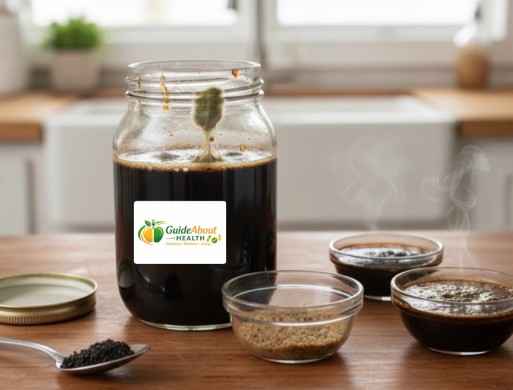
Molasses gone bad ( My personal Experience)
I recently came across a jar of molasses from three years ago and immediately thought to make my grandma’s famous cookies. Then I looked at the Best By date on the jar, which was 2023, but I thought molasses was like sugar and never really went bad. It turns out the answer is a bit more complicated than that.
I unscrewed the cap and then noticed a strange thin slick at the top of the jar. I ignored it, and then I noticed it smelled a little sour and fermented, so I thought maybe it had been unopened for many years and aged; that’s why all this happened.
I finally added it in my cookies, and then twenty minutes into baking, my kitchen was covered with a bad smell instead of a good cookie smell. When I took the cookies out from the oven, they were all spread into a puddle of bubbles and tasted bitter.
I learned my lesson; the molasses I used had definitely gone bad. That’s why all this happened. Molasses can last longer, but if you notice a bad smell or something weird after opening it, then avoid using it in anything because sometimes you don’t understand that it goes bad even while it tastes fine.
How to Test if the Expired Molasses is still good to use?
If you’ve discovered an old jar in the back of your cabinet and are wondering whether molasses can go bad or if it’s still usable, you may be curious about how to determine its safety. So I have the best way for you to check whether it is safe to use or not. Here is a complete guide to checking molasses step by step.
Step-by-Step Sensory Tests
Visual inspection: Open the jar and look for any mold, fuzzy growth, or strange spots in the lid of the jar, or if the molasses changes into an unusual color, then discard it immediately. If you also notice a separate piece of molasses from the whole mixture, then it’s a warning sign; throw it away.
Smell test: If you open the jar and it smells sour, fermented, alcoholic, or unpleasant, then throw it away.
Texture check: Pour or stir the molasses with a clean, dry spoon. If it looks extremely grainy, clumpy, or uneven in texture, then it is a warning sign that may indicate the molasses has gone bad.
Taste test (only if it passes the first three steps)
Now it is the time to check the taste; if the flavor of molasses gets bitter, sour, or fermented, then it is best to throw it away. A slightly muted flavor usually means quality loss, not a safety issue.
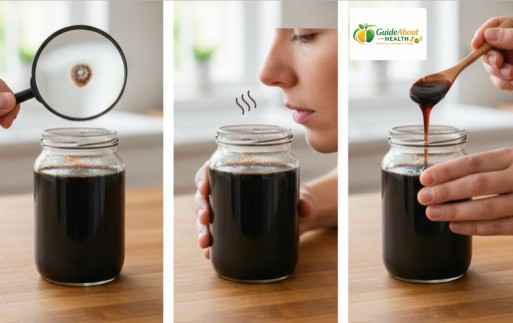
Tips to Safely Evaluate Molasses Before Using It
Always use a clean and dry spoon to avoid any kind of moisture and bacteria entrance.
If the molasses is safe by passing all tests but is still thick, then you can warm it in lukewarm water, as this will improve the consistency; however, don’t microwave molasses in metal containers.
People usually make the mistake of adding old molasses, which has already gotten bad in flavor or texture, to cooking or baking material. This trick is not good, but for good flavor, always choose fresh molasses.
Can I Use Expired or Very Old Molasses?
Molasses has been used for many years due to its shelf-stable properties, which are a result of its high sugar content. However, some people are concerned about its safety, particularly if it has not been used for an extended period. The answer depends on the age, storage condition, and the signs of spoilage in molasses.
Guidance for Different Ages
1-Year-Old Molasses: If you stored the jar of molasses in a cool or dry place and the jar is sealed completely, then molasses that is 1 year old is still safe to consume because the flavors and texture will not change in this period of time, which makes molasses suitable to use in cooking, baking, and sweetening beverages.
4-Year-Old Molasses: Molasses can last longer if unopened; however, a 4-year-old molasses jar may change the color and flavor, but it is still safe to use if there are no spoilage signs like mold, an off smell, or a sour taste.
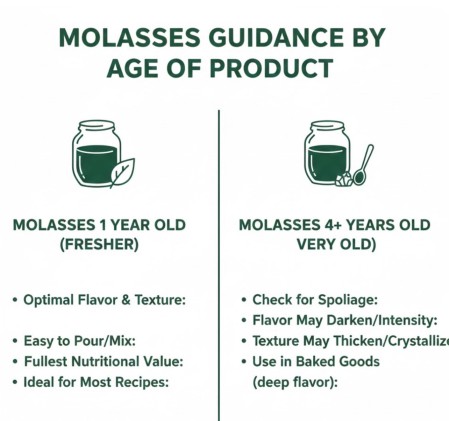
Safety vs. Flavor Considerations
It is important to prioritize safety. When you open the old molasses jar and find any mold, unusual odor, or drastic change in texture, then it is best to just discard it because these sugar syrups don’t support bacterial growth, but contamination or moisture can create a risk of bacteria in the molasses jar.
Even the old molasses is safe, but there is still a change in flavor and color that takes place, which affects baked goods or sauces. In recipes where you are using molasses, especially for flavors, then go for fresh molasses.
When to Replace Molasses?
- If you find signs of spoilage like mold, an off smell, or sourness,
- If you found it in a warm and humid environment after years.
- If the flavors get completely changed and the color becomes very dark with separate portions.
5 best Tips to Extend Shelf Life of Molasses
Proper storage plays an important role in keeping molasses safe, flavorful, and long-lasting. Molasses has natural spoilage-resisting properties because of its high sugar content. Following a few simple tips can help maintain its quality for years.
1. Keep Containers Sealed
Once opened, try to close the molasses jar tightly. Avoid exposure to air, as it can lead to moisture, which causes mold growth or fermentation.
2. Store in a Cool & Dark Place
Always store the molasses jar in a cool and dry place away from heat sources, sunlight, or ovens. Make sure to place it on pantry shelves instead of storing it near stoves, microwaves, or windows where the temperature is very hot.
3. Avoid Moisture and Contamination
Always clean and dry utensils when scooping molasses. Never pour water directly in molasses to reduce thickness because it can reduce shelf life.
4. Consider Climate Factors
Avoid placing molasses in hot or humid environments, as it can lead to thickening or darkening faster. If you live in such climates, then it is best to store it in a refrigerator.
5. Check Periodically
Even with proper storage, it’s better to test molasses occasionally, like if there are any changes in smell, color, or texture, because early detection can help in keeping it safe.
The FDA (and associated food‑safety framework) lends support to the idea that molasses is a low-risk, shelf‑stable food as long as it remains sealed, dry, and uncontaminated.
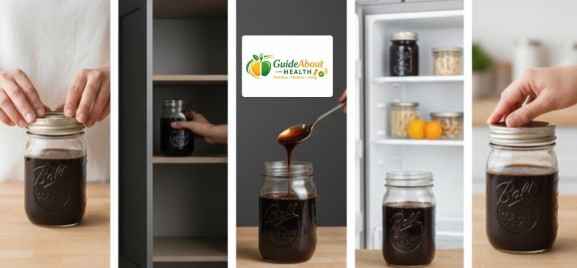
What Studies Say About Can Molasses Go Bad
While molasses is naturally shelf-stable, several scientific studies have examined how storage conditions and age affect its quality and safety.
According to a 2021 study, sugarcane molasses stored in glass containers at 20°C retained its flavor, sugar content, and antioxidant activity much better than molasses stored at higher temperatures or in plastic containers.
According to the Journal of Agriculture and Crop Research, 2021: A cold place to store molasses is much better than molasses stored at higher temperatures or in plastic containers.
These studies suggest that storing molasses in a cool, sealed container preserves both flavor and quality for years, supporting common kitchen practices.
Frequently Ask Questions by People
1. How to Use Aged Molasses?
Aged molasses is completely safe to use if there are no signs of spoilage found. It works best in baking cookies, BBQ marination, and baked beans.
2. When to Use and Discard Molasses?
Molasses is safe to use if it smells sweet or mildly bitter and the texture is still thick. There is no sign of mold or sour odor. Discard molasses when you see mold growth, it smells sour or rotten, and it tastes bitter.
3. Does Molasses Expire If Unopened?
Unopened molasses doesn’t expire; however, the quality may get dull. The shelf life of unopened molasses is 3 to 5 years.
4. How Do You Know Molasses Is Bad?
If there is mold at the surface of the bottle, then the molasses is bad. If it smells sour, alcoholic, or rotten and tastes bitter, then it has definitely gone bad.
5. Can I Use Molasses Past Its Best-Before Date?
Yes, you can use a molasses that has passed the best-before date because the date is about quality, not safety. However, make sure the molasses jar doesn’t have any mold and smell bad before using.
6. What’s the Best Way to Store Opened Molasses?
Make sure to keep it in an airtight container and store it in a cool, dark place or refrigerator. Always use a clean and dry spoon in it.
7. Can I Use 4-Year-Old Molasses?
Yes, you can use 4-year-old molasses if it was stored properly and shows no sign of spoilage, like mold or a sour smell.
8. How Many Years Is Molasses Good For?
An unopened molasses can last for 3 to 5 years, whereas the opened one can last for 1 to 2 years.
9. What Does Molasses Smell Like When It’s Gone Bad?
Bad molasses smells:
- Sour
- fermented
- Musty or rotten
10. Is Expired Molasses OK to Eat?
Expired molasses can be completely safe to use if there is no mold present and the smell and taste remain the same.
11. Can Bacteria Grow in Molasses?
No bacteria can grow in molasses because it is high in sugar and low in water; however, bacteria can get in it when you use dirty utensils.
12. Can Mold Appear in Molasses?
Yes, mold can appear in molasses if the jar is not completely closed and the moisture goes inside it.
13. Should Molasses Be Refrigerated After Being Opened?
Refrigeration is not required, but people do keep molasses in the refrigerator because it extends shelf life and reduces the risk of mold.
14. What Does Bad Molasses Smell Like?
It smells sharp, sour, fermented, and rotten.
15. Is Molasses Good After 3 Years?
Yes, molasses can be good even after 3 years if it is opened or refrigerated and shows no sign of spoilage.
16. How Long Is Opened Molasses Good For?
Opened molasses stays good for 1 year when kept at room temperature and 3 years when kept in the refrigerator.
17. Can a Diabetic Patient Eat Molasses?
No, because molasses is high in sugar content, which can spike blood sugar levels.
18. Is It Safe to Use Old Molasses in Food Items?
Yes, it is completely safe to use old molasses in food items when it tastes normal and shows no sign of spoilage like mold.
Conclusion: Can Molasses Go Bad?
After a detailed explanation of how molasses changes over the years, I can confidently say, “Yes, molasses can go bad, but this is rare and typically occurs only when it is not stored properly.” The likelihood of molasses spoiling is low due to its high sugar content and low water activity. If you store it properly, it can stay safe for years without any existence of spoilage; however, it is important to always check for signs of mold, off smells, or unusual texture before using older molasses. Expired molasses can also be safe to use; however, it may lose the flavor and color with time.
Also Read: How many apricot seeds should I eat a day? Safety & Limits
Medical Disclaimer:The information on guideabouthealth.com is for educational and informational purposes only and is not intended as medical advice. Always seek the advice of a qualified healthcare provider regarding any medical condition or dietary changes. Never disregard professional medical advice or delay seeking it because of something you have read on this website.