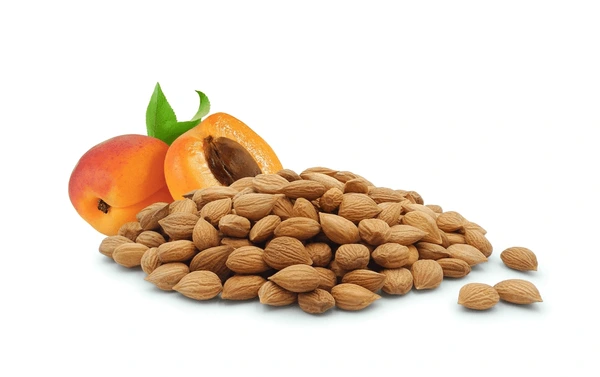
Are you curious to know how many apricot seeds you should eat a day? Well, due to high levels of a compound in apricots known as amygdalin, which later converts into cyanide when digested, all health authorities recommend an adult can eat 1 to 3 small seeds per day, and children, pregnant women, and nursing mothers should avoid eating apricot seeds entirely.
Seeds are a part of everyone’s life; from elder to child, all add them to daily diets. Many add these seeds to their favorite meals for extra crunch and texture, while others consume them for their nutritional advantages. Seeds are high in healthy fats, fiber, and various natural plant compounds, making them safe to eat, but moderation is key.
However, people get curious about everything they eat on a daily basis. Nowadays, people are searching for answers to the question, “How many apricot seeds should I eat a day?” which is understandable given the recent surge in public interest surrounding apricot seeds due to their purported health benefits. However, they differ significantly from other seeds, leading to questions about their recommended daily intake. “The amount of everything you eat matters a lot, and consuming even a seed in large amounts can lead to some real health risks.
In this guide, we will outline how to safely consume apricot seeds, highlight the key differences between sweet and bitter varieties, discuss potential side effects, and share recommendations from health experts. The main goal of this guide is to help you make a decision on eating apricot seeds based on different aspects.
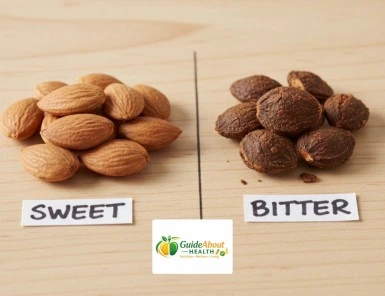
Sweet vs. Bitter Apricot Seeds: What to Eat and What to Avoid
Not all the apricot seeds are the same and safe to consume, so it’s important to understand the difference between two types of seeds: sweet and bitter apricot seeds. Both varieties of seeds look the same, but the taste and uses are different.
Sweet Apricot Seeds
These seeds are always found inside apricots and freshly sold for eating. The taste of sweet apricot seeds is mild in nature, and they are used in traditional Asian and Mediterranean cuisines.
They have nutty flavors similar to almonds and contain small amounts of healthy fats and minerals. They are generally safe to consume occasionally but in a limited quantity.
They are not to be consumed as a snack or in large portions, as it will be bad for health.
Bitter Apricot Seeds
These seeds are very different from sweet seeds, as bitter seeds contain amygdalin, a compound that releases cyanide once digested. This is the main reason why bitter seeds are a part of controversy and danger. These seeds are unpleasant and bitter in taste. The presence of cyanogenic compounds in these seeds leads to cyanide poisoning if consumed in a large amount. They are not recommended on a daily basis.
Many health authorities recommended avoiding unlimited amounts of bitter apricot seeds, especially for children, pregnant women, and people who already have some disease.
Nutritional Value of Apricot Seeds
Apricot seeds have a complex nutritional profile based on whether the seed is sweet or bitter. Both varieties of apricot seeds contain some nutrients and plant compounds. Below are some details of nutrients found in apricot seeds.
Macronutrients in Apricot Seeds
Apricot seeds are calorically dense in nature because they contain fat content like other seeds and nuts.
Fats
The maximum calories come from apricot seeds, mainly from fats; they are unsaturated fatty acids like oleic and linoleic acid. These fats support overall metabolism and can also be found in other nuts like almonds.
Protein
Apricot seeds also include a small amount of plant-based protein; however, the amino acid profile is low, so they can’t be considered a high source of protein. If you want a good protein source, go for legumes, nuts, or seeds specifically consumed for protein.
Carbohydrates and Fiber
The amount of carbohydrates in apricot seeds is very low. They also contain some dietary fiber in a limited amount, but it supports digestion.
Vitamins and Minerals
Apricot seeds also contain minerals like magnesium, phosphorus, iron, and potassium. These minerals help in muscle, heart, and nerve function; are good for bone health; and help in energy production. Apricot seeds also contain a small amount of vitamins, which is much less as compared to vitamins found in fruits, vegetables, or fortified foods.
Amygdalin (Vitamin B17 Claims Explained)
One of the most popular and talked about components in apricot seeds is
Amygdalin, which many people sometimes refer to as vitamin B17; however, amygdalin is not a vitamin. When you digest this component, it converts cyanide. Amygdalin is especially found in higher amounts in bitter apricot seeds.
Antioxidant Compounds
Apricot seeds contain certain plant compounds with antioxidant properties. These antioxidants can help in reducing stress; however, the human studies are limited on this topic, so you can go for safer antioxidant-rich foods that provide stronger evidence of benefit.
Apricot Seed Oil Nutrients
Many people use apricot seed oil in traditional cuisines since the oil is processed so it doesn’t contain amygdalin. Apricot seed oil is high in monounsaturated fats and vitamin E. The oil is completely safe to consume because it is free from amygdalin.
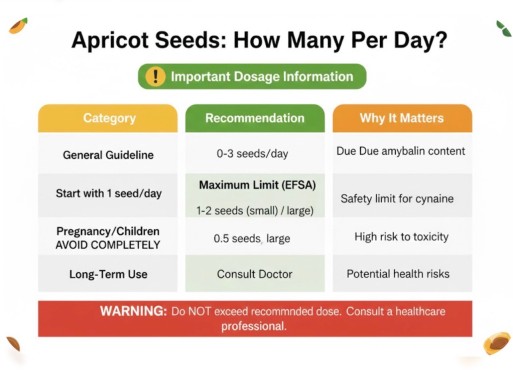
How many apricot seeds should I eat a day?
Many people are curious about how many apricot seeds they can safely consume in a day. The short answer is very few, or possibly none; however, the amount that is safe to eat depends on the type of apricot seed. The daily amount of apricot seeds is safe if taken in limited amounts. Many people mistakenly believe that consuming an unlimited number of apricot seeds will provide greater health benefits; however, this is not the case. In fact, eating many seeds just gives you side effects, not benefits.
If you are consuming sweet apricot seeds, then you can eat 1 to 2 sweet apricot seeds per day. This quantity is only recommended to adults. Don’t make them a part of daily life; you can consume them occasionally, like once a week or month. The main reason is sweet apricot seeds also contain a natural compound that can become toxic in higher doses; this is why taking less is important.
If you are consuming bitter apricot seeds, then it is not recommended for a day because bitter seeds contain high levels of amygdalin, which can produce cyanide after digestion that’s also used in poisoning. A few bitter seeds, like 3 to 5, can be dangerous for some adults, and regular intake significantly increases the risk of toxicity.
Who should avoid eating apricot seeds?
Apricot seeds are a part of discussion in many wellness communities, but they are not safe for everyone. There are some groups of people who need to avoid consuming them as follows:
Pregnant and Breastfeeding Women
This category of people is strictly recommended to avoid any type of apricot seeds because the compound found in these seeds converts into cyanide once digested, which may later interfere with fetal development and reduce oxygen supply to the baby. The cyanide can also pass into milk and harm the baby. There is no proven benefit of apricot seeds for pregnant or breastfeeding women, so it’s better to avoid them.
Infants and Children
Children are more sensitive to toxic compounds as compared to adults because children have lower body weight and developing organs. Even eating a single bitter apricot seed can be dangerous for your child. The side effects will appear quickly and become severe. This is the reason why health experts never recommended apricot seeds be given to infants or children in any form.
People With Liver or Kidney Disease
The liver and kidneys play a major role in detoxifying substances in the body. However, apricot seeds may push extra stress on these organs. If you are already facing liver or kidney disease, then eating an apricot seed can be harmful and lead to side effects like slowing down toxin removal and increasing the risk of cyanide buildup in the body.
People Taking Certain Medications
Apricot seeds can also interact with other medications like blood pressure medications, thyroid medications, and other supplements that affect metabolism or detox pathways. If you eat apricot seeds while taking any of these mentioned medications, it will reduce the effects of the medication.
People With Low Blood Pressure or Heart Conditions
People who have existing health problems like low blood pressure or heart conditions should avoid eating apricot seeds, as it can lead to sudden drops in blood pressure, irregular heartbeat, and dizziness or fainting.
People With Digestive Sensitivities
People who have sensitive stomachs or digestive disorders need to avoid apricot seeds, as they are hard to digest and can trigger stomach issues like nausea, abdominal pain, diarrhea, and vomiting.
Anyone Using Apricot Seeds for “Treatment” Purposes
If you are using apricot seeds for some treatment, then it can be risky because there is no scientific evidence to support their effectiveness as a treatment. High doses of apricot seeds can increase toxicity risk and delay proper medical care.
Consuming apricot seeds in large amounts can lead to some serious side effects like headaches and dizziness, nausea, vomiting, low blood pressure, shortness of breath, and cyanide poisoning in severe cases.
Why Eating Too Many Apricot Seeds Is Unsafe?
Eating too many apricot seeds at a time can be dangerous for a person even if they are a fully natural food item because the problem isn’t fat or calories but the compound that can be harmful as it converts into cyanide when digested. Overconsumption of seeds means having a large amount of cyanide in the body. Cyanide stops the body from getting full oxygen; it can also affect the brain and heart. The body can’t safely neutralize large amounts of cyanide on its own. Symptoms may appear suddenly, even if previously you didn’t face any reaction. This is the reason why apricots, especially the bitter ones, aren’t allowed to be eaten.
People notice some quick symptoms after consuming unlimited seeds, like headache, dizziness, nausea, confusion, and fatigue. The symptoms can be serious in some individuals, like difficulty breathing, low blood pressure, irregular heartbeat, and loss of consciousness. In extreme cases, cyanide poisoning can be life-threatening.
Some people have a misconception; they think roasting, soaking, or grinding apricot seeds can remove the dangerous compound in them, but in reality it’s just a myth because the enzymes involved in digestion still release cyanide. Bitter apricot seeds are still dangerous even after going through the cooking process.
Also Read: How Long Can a Sandwich Last in the Fridge? Safety & Storage Tips
What Are the Benefits of Eating Apricot Seeds?
Here are some benefits of apricot seeds as follows:
Source of Healthy Fats
Apricot seeds, especially the sweet ones, contain a small amount of healthy unsaturated fats that are important for heart health, provide energy, and help in nutrient absorption. However, these fats aren’t something rare; you can easily get them from foods like almonds, walnuts, and seeds such as flax or chia.
Provides Small Amounts of Plant-Based Nutrients
Apricot seeds also contain small amounts of minerals like magnesium, phosphorus, potassium, and iron. All these minerals support body function, and you get all these minerals from whole foods like nuts, legumes, and leafy greens.
Contains Antioxidant Compounds
Apricot seeds also include natural plant components that have antioxidant activity, and these antioxidants help in neutralizing free radicals, reducing stress, and supporting overall cellular health; however, there is less research on antioxidant benefits in apricot seeds.
Traditional and Culinary Uses
In some cultures sweet apricot seeds have been used in dishes for many years, especially in Asian and Mediterranean cuisine. People add apricot seeds in flavoring desserts, pastes, and occasional culinary preparations. The use of these seeds is in very small quantities, and they are not used in every dish on a daily basis.
Why the Health Benefits of Apricot Seeds Are Debated?
The health benefits of apricot seeds are a part of online debate because the scientific evidence, safety concerns, and online claims do not align. Some sources on the internet promote apricots as a superfood, and public health experts don’t agree with that. Here’s why this controversy exists.
Conflicting Research vs. Online Claims
Most of the hype on apricot seeds comes from anecdotal stories, non-clinical studies, and misinterpreted or outdated research, whereas on the other hand, human studies are still limited. Most of the benefits are from laboratory or animal research, not from human studies.
Amygdalin Confusion and Mislabeling
A major source of debate is amygdalin, sometimes incorrectly called vitamin B17; however, amygdalin is not a vitamin, it is not important for the body, and it can convert into cyanide after digestion.
Is It Okay to Eat Dried Apricot Seeds?
Eating dried apricot seeds isn’t recommended, especially if they are bitter. Drying an apricot seed won’t remove the toxic compound found in it. In some cases people do face extreme side effects. One misconception among people is they think drying, roasting, or processing apricot seeds makes them safe, but in reality the compound amygdalin remains present, so it means the body can still convert it into cyanide. The dried apricot seeds are just as dangerous as raw ones.
Dried apricots are small and hard and have less filling, so people eat many seeds. Releasing this can’t lead to any benefits; however, it leads to an increased toxicity risk quickly.
Dried sweet apricot seeds can be consumed in small amounts by just adults, but dried bitter apricot seeds are not recommended to eat even in small amounts.
Risks of Dried Bitter Apricot Kernels
Dried bitter apricot kernels have some serious health risks, and they are considered unsafe for consumption. It has been sold online and even promoted in different health discussions; drying these apricot kernels can’t reduce the harm they contain. In fact, they are more dangerous because their toxicity is concentrated and easy to underestimate.
High Cyanide Poisoning Risk
Apricot kernels, especially the bitter ones, have a high amount of amygdalin,Addtionally which converts into cyanide in the body.
Even drying a bitter one won’t lead to removal of the compound. The cyanide in the compound blocks oxygen, and even the small amounts can affect the brain and heart. Cyanide poisoning easily occurs after digestion of bitter kernels.
Increased Risk Due to Concentration
When people dried bitter apricot kernels, the water content was reduced, and toxic compounds became more concentrated. These kernels become smaller and easier to overeat; this way, people eat them accidentally and consider them safe, but they are dangerous.
Unpredictable Toxic Levels
The level of amygdalin can be different in each bitter apricot kernel because the compound toxicity depends on plant variety and growing conditions. Additionally, you are unable to measure the amount of amygdalin a bitter apricot contains at home. A single bitter kernel contains far more cyanide than another.
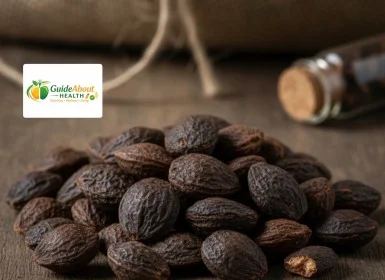
Severe Symptoms of cyanide
Symptoms of cyanide exposure from dried bitter apricot kernels may include:
- Headache and dizziness
- Nausea and vomiting
- Confusion and weakness
- Difficulty breathing
- Low blood pressure and rapid heartbeat
In severe cases, loss of consciousness and life-threatening complications can occur.
Safer Alternatives to Eating Apricot Seeds
If you are looking for alternatives to the benefits of apricot seeds and kernels, consider the following safe options.
For Healthy Fats
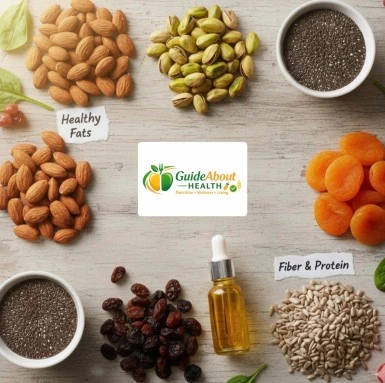
People consume apricot seeds because they contain healthy fats; however, there are many other food items that are also rich in healthy unsaturated fats, like almonds, walnuts, cashews, pistachios, olive oil, and avocados. You can include all these items in your daily diet to get a high amount of fats.
For Antioxidants
For antioxidant support like that found in the apricot seeds, you can go for alternatives like blueberries, strawberries, raspberries, spinach, kale, green tea, and herbal teas. All these food items can be easily eaten on a daily basis, as they are a complete source of antioxidants without toxic compounds.
For Minerals and Micronutrients
If you just want minerals, then you can go for the alternative seeds like pumpkin and sunflower seeds, as they are high in magnesium and zinc. Chia and flaxseeds for fiber and omega-3s. Legumes and whole grains for iron and phosphorus. You can eat all these seeds on a daily basis but in moderate amounts.
For Plant-Based Protein
Since apricot kernels are not ideal protein sources, in order to get full plant-based protein, you can add lentils, chickpeas, beans, peas, nuts, and seeds to your daily diet. All these food items provide full, complete nutrition without any health risks.
For Apricot-Related Benefits
If you’re interested in apricots, specifically fresh or dried apricot flesh excluding seeds and apricot seed oil free from amygdalin. Both these options are completely safe to consume, as they don’t contain cyanide. For more natural wellness, you can focus on variety and balance, not single “superfoods.” Choose food that contains healthy nutrients instead of toxic compounds.
Scientific studies and Research on apricot Kernels
According to the European Food Safety Authority (EFSA) in their 2016 analysis of the cyanide risk from amygdalin in apricot kernels, it concludes that consuming even a few small raw apricot kernels can result in exceeding the safe cyanide exposure level, known as the “Acute Reference Dose.”
According to JAMA Network, Mark J. Rubno & Frank Davidoff (1978) Case Report: a 49-year-old woman ingested 20–40 apricot pits and developed cyanide poisoning, direct evidence that seed consumption can be harmful.
According to WebMD (reviewed by medical professionals, 2024), apricot kernels contain amygdalin, which the body can convert to cyanide; there is no credible evidence they treat cancer; and consumption can be unsafe.
According to the 2019 lab study by Wagheda Cassiem & Maryna de Kock, certain kernel extracts inhibited proliferation of human colon‑cancer (HT-29) cells under some conditions but effects were variable (some concentrations increased proliferation).
According to a Vitro study published in 2022, reports that apricot oil extract (from kernels) reduced viability of human oral-cancer cells, with minimal effect on normal cells at low doses suggesting possible “anticancer potential,” albeit based on cell studies.
According to a 2023 study in rats fed with kernel extracts, at lower extract concentrations, there was no major kidney/liver toxicity, though high-dose exposure carried potential risk evidence of dose-dependent toxicity in animal models.
What Health Authorities Like the FDA and Australian Regulators Say About Apricot Kernels
According to the U.S. Food and Drug Administration (FDA), apricot kernels aren’t approved for medical or dietary treatment purposes. In past years FDA had taken serious action against apricot kernel-based products marketed with disease-related claims.
The main reason behind disapproving apricot kernels is they contain amygdalin, which can release cyanide after ingestion. Products made from apricot kernels cannot be marketed as treatments or cures. Overconsumption of apricot kernels can lead to serious health risks.
The presence of cyanide in any food item is related to safety issues, according to the FDA, and this is the reason why apricot-kernel-based products are closely observed and restricted when promoted for health benefits.
What Australian Health Authorities Say
Australian regulators, including Food Standards Food Standards Australia New Zealand (FSANZ) and state-level health departments clearly warn about apricot kernels. The guideline includes avoiding bitter apricot kernels, as they can lead to cyanide poisoning. Raw or bitter apricot kernels are not considered safe food. In many places in Australia the selling of bitter kernels has been restricted or requires strong warning labels.
Both these countries agree on the same point that apricot kernels are dangerous and need to be avoided because there is no proven health benefit and they include cyanide, which causes serious health concerns. Public safety takes priority over anecdotal or alternative health claims.
Frequently ask Questions by People
What are the benefits of dried apricots?
Dried sweet apricots are rich in fiber, potassium, and antioxidants. They help in better digestion and blood pressure and promote overall health. When eaten in moderation, they are nutritious for health.
What is the difference between almonds and apricot seeds?
Almonds are safe to consume, free from toxic compounds, and commonly eaten for good heart and metabolic health. On the other hand, apricot seeds, especially bitter ones found inside the apricot, contain amygdalin, which converts into cyanide. You can easily consume almonds every day but not apricot seeds.
What is the healthiest dried fruit to eat?
The healthiest dried fruit based on diet needs. All dry fruits like apricots, prunes, raisins, and dates are good for health when eaten in moderation. Dried apricots contain a good amount of potassium and fiber.
Can we eat apricots on an empty stomach?
Yes, you can eat fresh and dried sweet apricot flesh on an empty stomach; most people eat it. They provide quick energy and fiber. However, people with sensitive stomachs should avoid seeds on an empty stomach because they can lead to acid reflux.
Do dried apricots help you sleep?
Yes, dried sweet apricots can help in sleep indirectly because they contain magnesium and potassium, which help in muscle relaxation and nervous system function. You can take a small amount of these seeds in the evening for good sleep.
How many apricot seeds are safe to eat per day?
Even if you are a healthy adult, there is no amount of bitter apricot seeds that is considered safe. However, you can eat sweet apricot seeds, like 1 or 2 occasionally, not on a daily basis.
Can I eat apricot seeds every day?
No, because they aren’t recommended to eat on a daily basis by any healthcare expert. Regular eating of apricot seeds can increase the risk of cyanide in the body, which causes severe health issues.
What happens if you eat too many apricot seeds?
If you eat too many apricot seeds in a day, it can lead to cyanide poisoning. The quick symptoms you will notice include headache, dizziness, nausea, low blood pressure, breathing difficulty, and even loss of consciousness.
Are apricot seeds safe for weight loss?
No, apricot seeds aren’t safe for weight loss, as there is no scientific evidence or claim that they are good for weight loss; however, there are many health risks of eating them.
Are sweet apricot seeds safe to eat?
If you eat sweet apricot seeds, they are generally safe because they contain a lesser amount of amygdalin; however, you can still eat them in moderation occasionally, not on a daily basis.
Are bitter apricot seeds dangerous?
Yes, the bitter apricot seeds are dangerous for health because they contain high levels of amygdalin, which converts to cyanide after digestion. From the FDA to Australian food authorities, everyone is asked to avoid them.
Can children eat apricot seeds?
No, apricot seeds aren’t recommended to children, especially the bitter ones, as they can lead to serious health risks due to their sensitivity to cyanide.
Does cooking or drying make apricot seeds safe?
No, this is a misconception many people have that if they dry, roast, or cook the toxic compound, it will be removed from the seeds. Bitter apricot seeds remain unsafe even after processing.
Are apricot seeds approved by health authorities?
Many health organizations, like the FDA and Australian regulators, don’t even approve eating apricot seeds, especially the bitter ones, due to cyanide poisoning risks.
What is a safer alternative to apricot seeds?
Safer alternatives include almonds, walnuts, flaxseeds, chia seeds, and consuming apricot flesh without the kernel. These provide nutrients without toxic risks.
Conclusion
The question “How many apricot seeds should I eat a day? ” is important to know, and the short answer is you can eat 1 to 2 sweet apricot seeds, not every day but occasionally, as the seeds contain small amounts of fats and plant compounds; however, they still have small amounts of toxic compounds, which can be harmful if eaten in high amounts. Whereas if you are asking how many bitter apricot seeds you can eat a day, then the answer is none because this variety of seeds contains high amounts of toxic compounds, which convert into cyanide and increase health risks.
There is no scientific evidence supporting the idea that apricot seeds provide unique health benefits. The main side effects of eating apricot seeds include nausea, dizziness, low blood pressure, and cyanide poisoning. To avoid the danger of apricot seeds, you can go for other alternative options like almonds, pumpkin seeds, or sunflower seeds for the same nutrition.
Medical Disclaimer:The information on guideabouthealth.com is for educational and informational purposes only and is not intended as medical advice. Always seek the advice of a qualified healthcare provider regarding any medical condition or dietary changes. Never disregard professional medical advice or delay seeking it because of something you have read on this website.

Hi, this is a comment.
To get started with moderating, editing, and deleting comments, please visit the Comments screen in the dashboard.
Commenter avatars come from Gravatar.